
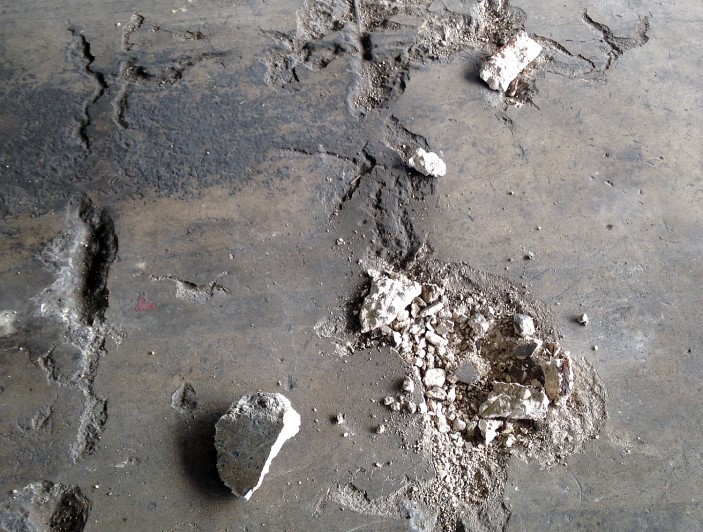
The signs of concrete damage are easy to spot. However, the causes often aren’t. Although concrete ranks among the most durable materials used in commercial and industrial settings, it still faces daily stresses that gradually wear it down.
By understanding what triggers these problems, facility managers can reduce repair bills, improve worker safety and extend the life of every slab. That’s why addressing issues early with the right concrete repairs and commercial flooring solutions helps prevent small defects from becoming costly repairs.
Why Concrete Damage Is a Serious Concern for Commercial Properties
Damaged concrete creates more problems than most owners realize. What begins as minor surface defects can quickly develop into operational headaches that cost real money. Beyond that, cracks and uneven slabs increase the risk of trips and falls for employees and visitors. That’s why insurance claims, safety complaints and lawsuits can follow, increasing the business’s liability risk.
The financial impact is equally important. In fact, minor repairs delayed today can develop into major structural issues over time, and the longer you wait, the more expensive the bill becomes. Beyond the financial cost, concrete damage negatively affects the facility’s appearance, with chipped floors and faded sections that undermine clients’ perception of your brand. When warehouse sections undergo unexpected repairs, productivity often declines. That’s where scheduled concrete repairs become a smart preventive measure rather than a reactive expense.
6 Reasons Industrial & Commercial Properties Get Concrete Damage
Concrete damages due to high foot traffic, moisture, harmful chemicals, poor installation, weather changes and physical impacts. Each factor affects the slab’s lifespan differently but together they accelerate damage especially at busy commercial sites. Here are the six factors behind most concrete problems in business settings:
- Heavy traffic and daily wear: Forklifts, delivery trucks – and constant foot traffic gradually grind down the surface layers.
- Moisture exposure and water infiltration: Water seeps into pores which leads to the appearance of cracks in the slab over time.
- Chemical exposure and surface contamination: Cleaning agents, oils and industrial fluids weaken the binder over time.
- Improper installation or construction practices: Mistakes during mixing, curing, or reinforcement can reduce the slab’s strength and durability.
- Temperature changes and seasonal conditions: Freeze-thaw cycles in Ontario winters widen cracks and break joints.
- Surface impact and mechanical damage: Repeated impacts and abrasion from tools, machinery and pallet movement can damage the concrete surface.
Common Types of Concrete Damage Found in Commercial Facilities
Cracks, spalling, scaling, joint breakdown and dusting damage commercial concrete. And each type signals a different underlying cause, so identifying the pattern early helps you choose the right concrete repair without delay. Here are six common types:
- Surface cracking: Hairline or wider cracks forming across slabs often due to shrinkage or load stress.
- Spalling: Flaking or chipping of the concrete floor caused by freeze-thaw cycles or rebar corrosion.
- Surface scaling: Thin surface layers flaking away, leaving rough or exposed patches.
- Joint deterioration: Control and expansion joints breaking down – exposing slab edges to further damage.
- Uneven surfaces: uneven surface degradation across slab sections creates height variations and trip hazards especially in loading zones.
- Surface dusting: Fine powder continually coming off the slab, indicating weak surface finishing or improper mix design.
5 Warning Signs That Concrete Damage May Be Getting Worse
Watch for growing cracks, flaking surfaces, pooling water, weak spots and recurring areas that require constant patching. These five signals indicate that the damage is spreading and that your slab requires concrete repairs soon. Here are 5 warning signs to track across your facility floors:
- Surface Instability
- Water Accumulation
- Cracks Increasing in Size
- Chipping and Flaking Concrete
- Frequent Maintenance Requirements
When Should Businesses Schedule a Professional Concrete Assessment?
Businesses should book a professional assessment the moment cracking, spalling or water staining appears or immediately after any floor-related safety incident. Just as importantly, teams should keep a close eye on older slabs, even when the surface still looks fine.
In many cases, floors that have been in service for 10 to 15 years deserve a full evaluation because defects are not always easy to spot. Similarly, businesses should conduct a comprehensive review before any renovation, expansion or installation of new equipment. That way, they can handle repairs and surface preparation at the right time, helping prevent disruption during construction.
Learn How Concrete Repairs Can Help Your Commercial & Industrial Properties for Concrete Issues!
Professional repairs restore the slab’s strength, keep your operations running smoothly and demonstrate to clients that floor maintenance remains a priority. Left untreated, it can affect your brand image, increase safety risks – and lead to bigger problems down the line. That’s why acting early helps protect your facility, support employee safety and avoid costly disruptions.
That is where Bite Epoxy comes in. We provide commercial concrete repairs and high-performance epoxy flooring across the GTA, Durham, Markham and nearby business hubs. Book a free commercial consultation today and get repairs designed to last for years.
Frequently Asked Questions (FAQs)
Q1. What is the main cause of concrete failure?
Most structural concrete failures come from water infiltration combined with freeze-thaw cycles. In addition, poor installation – and chemical exposure only speed up the damage.
Q2. Can moisture cause concrete to crack?
Yes, moisture is a direct cause of cracking. In fact, trapped water expands as temperatures drop and contracts as temperatures rise, which slowly widens the cracks you already have.
Q3. When should commercial concrete cracks be repaired?
Commercial cracks should be repaired as soon as hairline cracks appear. If left untreated, the water and debris seep in which deepens the damage and increases repair costs over time.
Q4. Can damaged concrete be repaired instead of replaced?
In most cases, yes. Crack injection, spall patching – and epoxy resurfacing restore strength and appearance for a fraction of what a full replacement costs.