
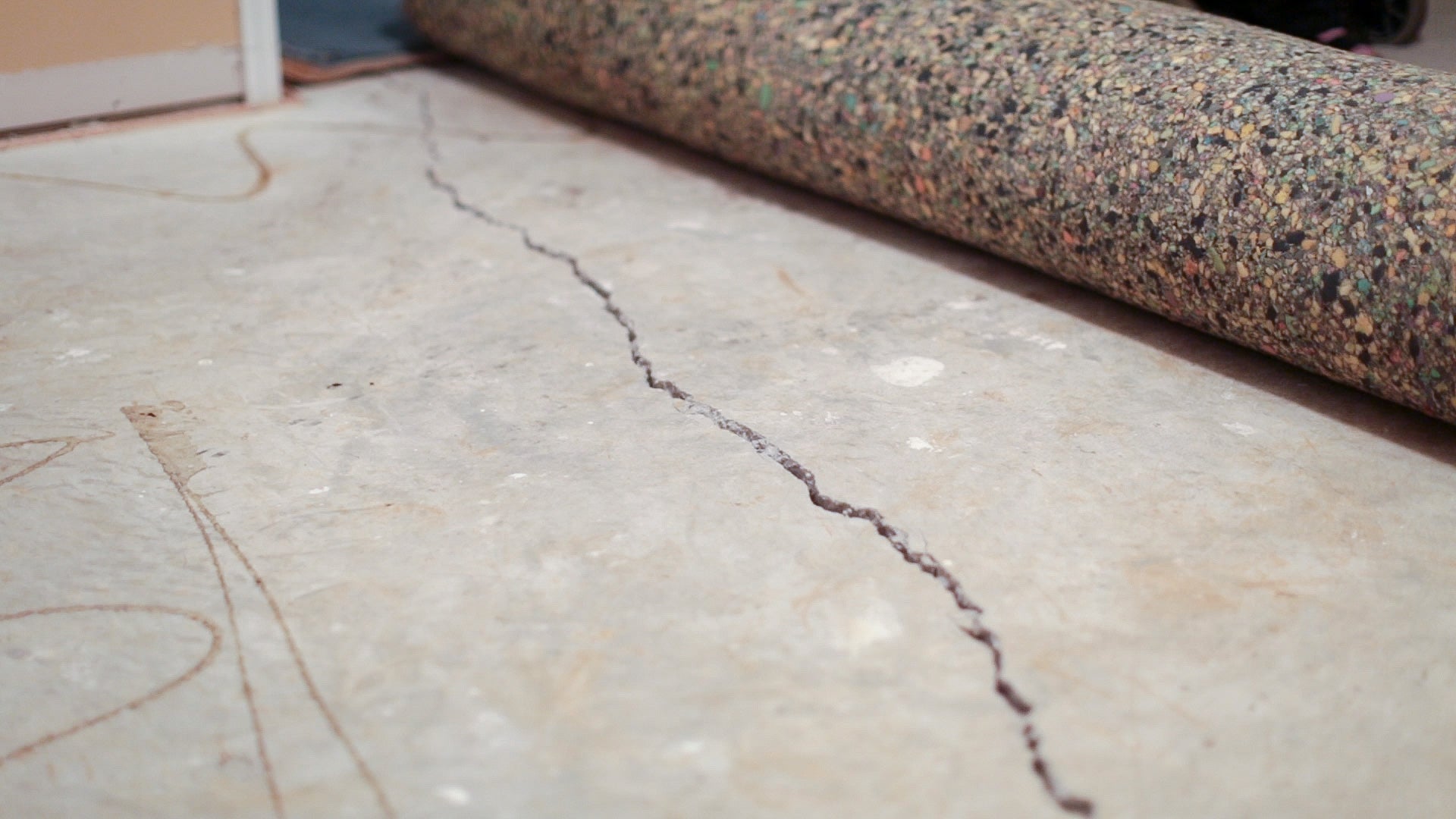
Basement floors look solid but time changes everything underneath. As a result, concrete gradually deteriorates and develops cracks even in strong slabs.
While some cracks may appear harmless, others widen and deepen which points to something more serious beneath the slab. In fact, homeowners often spot these defects and wonder whether they are a serious problem or simply the natural aging process.
That’s why identifying the cause early saves money and structural damage later. In this blog, you’ll learn what causes basement concrete cracks, which types need attention and how basement epoxy flooring from skilled residential flooring specialists helps keep your floor durable for years.
Are Cracks in Basement Concrete Floors Normal?
Cracks in basement concrete floors are fairly common. Over time, concrete naturally contracts, expands and wears with age which leaves small surface lines. However, larger cracks often point to deeper structural issues worth checking. In addition, concrete reacts to its surroundings over the years by absorbing moisture and expanding or contracting with seasonal temperature changes. As a result, these gradual changes can create fine surface cracks as the slab adjusts over time.
However, not every crack indicates a real issue. While small hairline cracks are often harmless, wider cracks, uneven edges or expanding cracks deserve closer attention. That’s why homeowners should look more closely when cracks widen quickly, allow water to enter, or appear alongside other floor problems. When these signs appear, a professional can determine whether the cracks are harmless or part of a larger structural issue.
5 Common Reasons Behind Cracked Basement Floors
Basement floors crack for 5 common reasons: soil movement, moisture, weather, heavy loads and poor installation. Each damages concrete differently and most show up gradually rather than overnight. As a result, professional basement epoxy flooring can address these triggers before damage spreads. Here are 5 common reasons:
- Soil Movement Beneath the Basement Floor: Soil beneath the slab slowly changes, increasing pressure and widening cracks over time.
- Moisture and Water-Related Issues: Trapped water weakens concrete from beneath – leaving fine cracks and surface separation.
- Freeze-Thaw Cycles and Ontario Weather Conditions: Repeated freezing and thawing cause concrete to expand and contract until it cracks.
- Heavy Loads and Basement Usage: Steady loads from vehicles or stored gear put pressure on the surface, damaging it over time.
- Poor Construction or Installation Practices: Poor mixing, rushed pouring or skipped curing causes surface damage.
Common Types of Basement Floor Cracks
Basement floor cracks fall into a few familiar categories affected by size, depth and cause. That’s why spotting each type early helps you determine whether the damage is harmless or requires a professional floor specialist. Here are 5 types you’ll come across most in residential basements:
- Hairline Cracks
- Settlement Cracks
- Wider Structural Cracks
- Moisture-Related Cracks
- Expansion and Contraction Cracks
How Basement Floor Cracks Can Lead to Other Problems
Cracks rarely remain small for long. Eventually, they cause moisture seepage, surface damage, mold growth, flooring complications and a steady drop in basement usability.
When cracks develop in the basement floor, water reaches the slab that slowly weakens the concrete beneath and damages the surface. Over time, pitting, flaking, and chalky patches begin to appear and worsen with seasonal moisture changes. Beyond that, constant dampness creates favorable conditions for mold and mildew which spread quickly through finished basements – and poses real health concerns. Cracks also interfere with flooring installations.
For example, laminate, tile or vinyl fail to install evenly on an uneven slab. As a result, the basement becomes harder to use as a family gym, lounge or storage zone. And only professional basement epoxy flooring addresses these issues by sealing openings and strengthening the floor surface.
Signs a Basement Floor Crack May Need Professional Attention
Some cracks need a closer look from a flooring specialist. When a basement floor shows widening cracks, water seepage, uneven sections, or visible decay, these signs indicate issues that go beyond cosmetic repair. That’s why identifying these signs early saves the slab from full replacement later on. Here are 5 signs:
- Cracks That Continue to Grow: A widening crack often indicates ongoing pressure or movement beneath the slab.
- Uneven Concrete Surfaces: Lifted edges or sunken sections suggest the slab has become less practical.
- Water Entering Through Cracks: Moisture seeping through a crack means the seal is broken and damage is already underway.
- Multiple Cracks Appearing Throughout the Floor: Widespread cracks indicate deeper issues throughout the basement.
- Visible Surface Deterioration: Chalky, crumbling or pitted areas indicate the concrete is losing strength quickly.
Learn How Professional Basement Flooring Can Take Care of Your Basement Concrete Cracks!
Basement cracks often indicate what is happening beneath the surface like trapped moisture or normal wear over time. When you address these issues early, you can prevent bigger problems later. With the right repair and finish, a worn slab can become a practical space for everyday use and storage.
That is where Bite Epoxy comes in. We provide residential flooring solutions designed for Ontario basements, sealing cracks and creating a durable finish that helps protect your floor and improve the look of your space for years to come.
Quality basement epoxy flooring starts with one decision. Book your free consultation today and start with a stronger floor.
Frequently Asked Questions (FAQs)
Q1. Are basement concrete floor cracks common?
Yes, basement concrete cracks appear in most homes with age. In fact, small lines usually result from normal wear but larger cracks require professional review.
Q2. How to fix a cracked concrete basement floor?
Clean small cracks – and fill them with epoxy or polyurethane injection. However, larger or moisture-related cracks require a specialist who properly grinds, seals and coats the slab.
Q3. How to stop concrete floor from cracking?
Keep basement humidity low, fix drainage problems and avoid placing heavy loads in one area. Also, a sealed epoxy coating blocks moisture and protects the slab from damage.
Q4. How to fix cracks in the concrete floor basement?
Clean the crack thoroughly – then fill it with a concrete repair product. Once cured, apply an epoxy coating for long-lasting protection.