
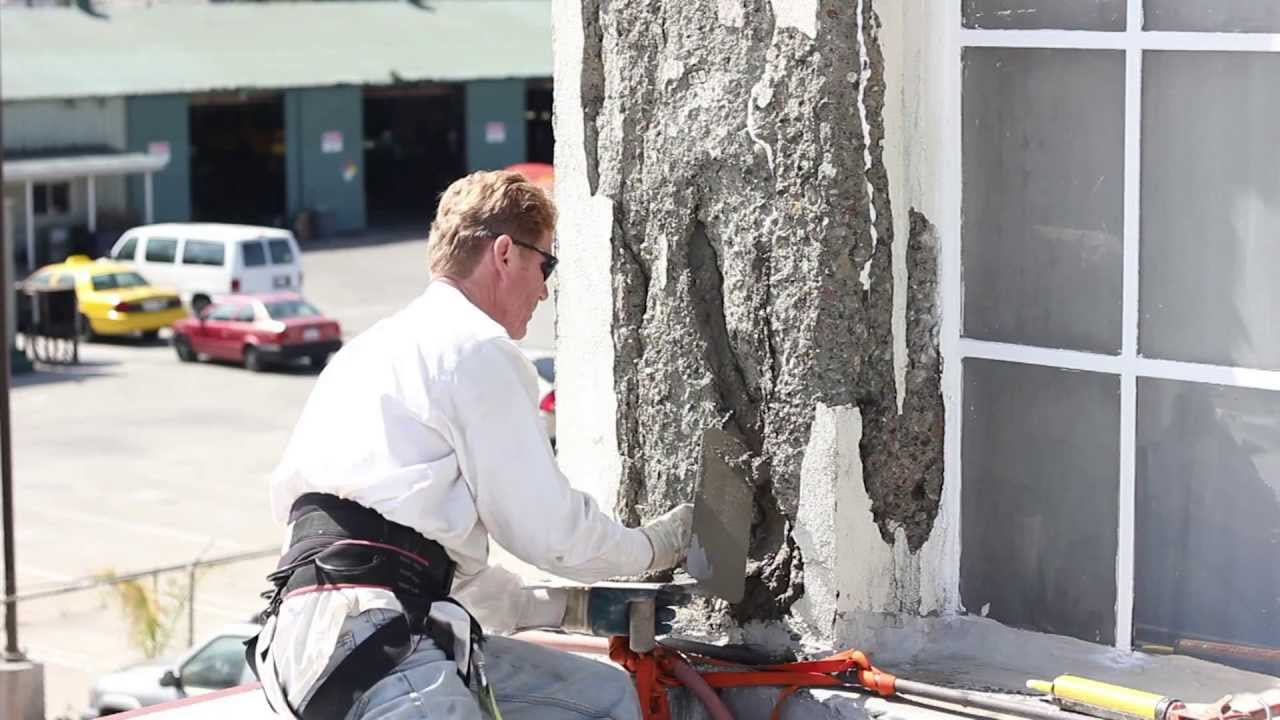
Minor damage today often turns into a major repair bill later, and commercial concrete shows how quickly that can happen. Slabs handle forklifts, foot traffic, road salt, and freeze-thaw cycles for years, and all that exposure wears them down. Over time, small cracks, chipped edges, and moisture problems rarely stay small. Under daily use, these problems can worsen until the damage reaches the sub-base and repairs become much harder.
Even so, most businesses wait to act because the floor still looks usable and nothing has stopped production yet. Waiting that long costs more, so spotting the warning signs early lets you schedule concrete repairs before the damage becomes more disruptive.
When it’s time to make repairs, Bite Epoxy starts every job with surface prep. Its commercial flooring services address the slab before the coating.
Sign #1: Cracks Are Becoming Wider or More Numerous
Cracks become serious once they widen or multiply because movement under the slab makes them worse. The number of cracks matters, but their location matters too. Here are 4 crack types to watch for.
| Crack type | What it signals |
| Hairline cracks | Normal shrinkage, worth monitoring |
| Widening cracks | Movement below the slab |
| Clustered cracks | Localized stress on one section |
| Joint cracks | Repeated load damage |
Sign #2: Concrete Is Chipping, Flaking, or Spalling
Spalling appears as patches of flaking concrete where the top layer breaks away and exposes the aggregate beneath. Salt, moisture, and freeze-thaw pressure cause most cases. Here are 4 things to know about how spalling starts and spreads.
- Flaking usually starts near edges, joints, and drains.
- Trapped moisture freezes, expands, and pushes the surface apart.
- Small flakes grow into wide craters under wheel traffic.
- Loose fragments damage equipment and injure staff.
Sign #3: The Concrete Surface Is Becoming Uneven
Uneven concrete points to a failing sub-base or worn sections that have settled at different rates. Forklift routes and doorways usually show it first. Here are 4 signs that deserve a closer look.
- Crumbling patches leave dips across the walking surface.
- Settled slabs create lips at every control joint.
- Worn floor sections shift under pallet jacks.
- Loading zones sink where heavy wheels turn daily.
Sign #4: Water or Moisture Is Entering Through the Concrete
Water entering through concrete can point to open cracks, failed joints, or moisture being pushed up from below. Damp slabs keep coatings from bonding properly and corrode the reinforcement inside. Here are 4 signs that moisture is getting through.
- Seepage appears along cracks after heavy rainfall.
- Dark patches stay damp long after cleaning.
- White mineral deposits form around joint edges.
- Water pools near sunken or broken sections.
Sign #5: Concrete Damage Is Creating Safety Concerns
Concrete damage becomes a safety problem when staff has to step around it or slow down near it. That can lead to trip claims and equipment downtime, which makes the damage more than a cosmetic issue. Here are 5 common risks to watch for.
- Raised slab edges catch toes and cart wheels.
- Crumbling surfaces collapse under sudden weight.
- Broken walkways slow foot traffic near entrances.
- Rough zones make machinery harder to steer.
- Dock damage makes pallet handling riskier.
Sign #6: Repairs Are Becoming More Frequent
Frequent patching means nobody fixed the original problem, so the same sections keep failing. Proper concrete repairs address the cause instead of repeating that cycle. Here are 4 signs patching isn’t solving the problem.
- The same patches fail within a few months.
- Quick fixes lift under traffic almost immediately.
- Maintenance requests for flooring keep climbing.
- Staff spends hours each week managing floor problems.
Sign #7: Concrete Damage Is Affecting Business Operations
Concrete damage affects daily operations when routes change, equipment slows down, or staff must avoid parts of the floor. As a result, productivity drops without anyone realizing the floor is part of the problem. Here are 5 ways floor damage affects daily operations
- Managers block off damaged zones for safety.
- Forklift routes shift around broken sections.
- Pallet jacks stall on uneven joints.
- Dust and debris add to cleaning time.
- Emergency patching stops work mid-shift.
Sign #8: Your Concrete Floor Is Showing Extensive Surface Wear
Widespread wear means the surface layer has lost strength even if no cracks have appeared yet. Grinding and recoating usually solve it when you act early. Five signs help you identify widespread wear early.
- Fine grey dust returns after every sweep.
- Abrasion smooths and thins the top layer.
- Stains and discolouration resist normal cleaning.
- High-traffic lanes wear faster than surrounding areas.
- The surface crumbles under light scraping.
5 Reasons Businesses Shouldn’t Ignore Concrete Damage
Repairing damaged concrete costs more when you leave it untreated because water seepage and foot traffic weaken the sub-base over time. Here are 5 reasons to address concrete damage early.
- Minor cracks grow until you need to replace the entire slab.
- Uneven surfaces raise workplace injury risk.
- Damaged floors interrupt daily operations and deliveries.
- Waiting too long increases long-term maintenance costs.
- Worn floors affect how customers see your business.
What Does Professional Concrete Repair Involve?
Professional repair starts with an inspection, moves through diagnosis and surface preparation, then ends with a coating decision. Bite Epoxy follows that order on every project:
- A technician inspects the slab and assesses concrete damage.
- The team identifies the cause of the failure.
- Bite Epoxy matches the repair method to the damage.
- Diamond grinding prepares the damaged surface.
- Crack and spall repair restores the slab.
- A moisture barrier or coating protects the finished floor.
Schedule a Professional Consultation with Bite Epoxy for Concrete Repairs Today!
Widening cracks, spalling, moisture, safety risks, and heavy surface wear all point to a floor that needs attention. Waiting too long only worsens the damage.
That is where Bite Epoxy comes in. We inspect the concrete, find the cause, and repair the damage before it gets worse. From surface preparation to epoxy flooring, our team restores the floor and protects it for heavy use.
Could that damage be a bigger problem? Get a free consultation.
Frequently Asked Questions (FAQs)
Q1. Should I repair my concrete or replace it?
Repair usually makes sense when the slab is still solid, and the damage is only on the surface. Replacement makes more sense once cracks go deep, the sub-base fails, or large sections settle. A site inspection can quickly show which option makes sense.
Q2. Why does my concrete keep cracking or getting damaged after repairs?
Repeat damage usually means nobody addressed the original cause. Moisture, weak prep, or slab movement underneath the patch can cause surface damage over time. That’s why only fixing the cause first prevents the repeated damage.
Q3. What is the most common way a concrete repair fails?
Poor surface preparation is the most common reason concrete repairs fail. Dust, oil, loose particles, and old, failing paste can prevent the repair from bonding properly. Over time, the patch can pop or delaminate.
Q4. What happens during a professional concrete repair?
A technician inspects the slab, diagnoses the cause, and then grinds the surface. Next, the team fills the cracks and spalled areas with repair materials. Finally, they add a coating or moisture barrier when the floor needs protection.