
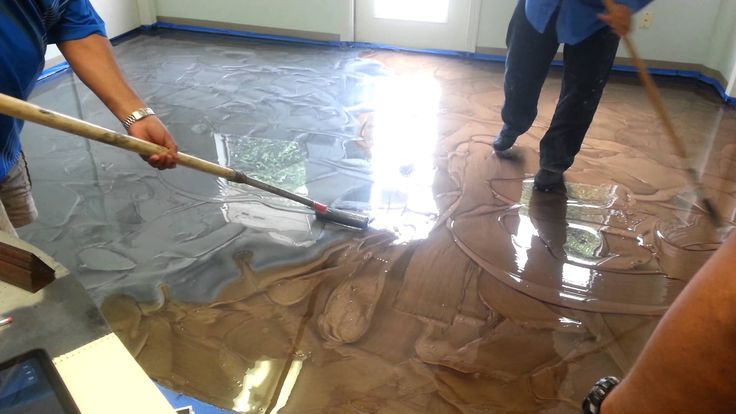
When was the last time you actually looked, really looked, at your basement floor? Probably not recently. Basements get less attention than any other room, yet they constantly deal with moisture, temperature swings, heavy storage, and daily foot traffic.
Without proper care, concrete basement floors develop cracks, surface stains, wear patterns, and moisture-related problems over time, something that homeowners never actually expect to happen at all.
Preventive maintenance changes that story completely, keeping your basement functional and presentable for years. Protective flooring plays a big role too, sealing concrete against the exact damage that causes most of these problems in the very first place.
Why Basement Floors Are More Vulnerable to Damage
Basement floors are highly vulnerable because they are continuously exposed to soil moisture, which keeps the concrete damp. To prevent dangerous mold growth, the Canada Mortgage and Housing Corporation explicitly advises keeping basement humidity levels strictly between 30% and 50%.
Also, basements are used on a regular basis for storage, home gym, laundry, etc. and are constantly being loaded with additional weight. Extreme seasonal temperature variations, such as freezing winters and humid summers, in Ontario cause the foundation concrete to expand and contract throughout the year.
5 Common Causes of Basement Floor Wear and Damage
Most basement floor problems trace back to the very beginning. The CMHC notes that fresh concrete requires several months to dry completely before finishing. Failing to wait creates hidden moisture traps, leading directly to these five recurring issues that ruin your floors:
- Moisture Intrusion: Water intrusion into the concrete degrades the surface and leads to mould.
- Surface Cracking: Movement of soil and freeze-thaw conditions cause cracking from top and bottom.
- Heavy Furniture and Storage: A constant weight in one place will compress and ultimately crack concrete.
- Concrete Aging: As concrete ages, it will naturally become more porous and crumble.
- Lack of Surface Protection: Stains, moisture and damage will be absorbed into a bare concrete floor much quicker than a sealed floor.
Precautions You Can Take to Protect Your Basement Floor
Spotting basement damage is easy, but fixing it properly takes a real pro. Hidden moisture under your concrete can turn into a massive nightmare. These five crucial, expert-grade precautions will keep your floors completely solid, dry, and safe all year:
1. Keep Moisture Under Control
Moisture management is your absolute first line of defence, as almost every foundation failure stems from water infiltration. Implementing heavy-duty external and internal water barriers keeps your concrete fully protected from seasonal effects. Secure your property by taking these three critical actions:
- Run a reliable dehumidifier year-round to lock humidity into the safe 30–50% range.
- Grade yard soil downward and away from your foundation walls to prevent pooling.
- Patch visible concrete fractures instantly before underground water can force its way.
2. Repair Minor Damage Before It Gets Worse
Small hairline cracks look totally harmless but seasonal freezing can turn them into a massive, expensive problem. You don’t have to pay for a complete floor replacement later on, if you catch these small faults early. Maintain a totally secure basement by following these tips:
- Fill in minor cracks with concrete when they appear.
- Repair chips on edges before they get even more worn with use.
- If the cracks get bigger or if they keep coming back, contact a professional right away.
3. Reduce Everyday Wear on Basement Floors
Daily wear adds up slowly, one dragged box or scraped chair leg eventually dulling and weakening your concrete. Small habits protect your floor’s surface much more than you might think. Keep your floors looking flawless by using these tips:
- Use furniture pads under heavy storage racks, shelves, or workbenches.
- Lift, do not drag boxes and equipment across the floor.
- Add mats near entry points to reduce grit and scratching .
4. Maintain a Clean Basement Floor
A clean floor is about protection and not just looks, because trapped grit acts like sandpaper whenever you walk across it. Regular sweeping prevents this abrasive from grinding down your concrete over time. Keep your surface pristine by following these steps:
- Sweep or vacuum weekly to remove grit before it causes scratches.
- Mop with a mild cleaner, avoiding harsh chemicals on bare concrete.
- Clean spills immediately to prevent staining and moisture absorption.
5. Monitor Your Basement Floor Throughout the Year
Your basement floor shifts with the seasons, reacting to freezing winters and sticky summer humidity all year. Catching these subtle changes early saves you from dealing with sudden, expensive issues down the road. Easily stay ahead of trouble with these habits:
- Inspect for new cracks after every major freeze-thaw cycle.
- Check humidity levels seasonally, especially during humid summer months.
- Look under stored items periodically for hidden moisture or damage.
How Protective Floor Coatings Help Extend Basement Floor Life
Regular maintenance helps but a premium coating does the real heavy lifting by sealing concrete against underlying damage. Our residential flooring systems permanently shield your home without demanding constant upkeep by:
- Protecting against surface wear: A sealed surface resists scratches, dents, and daily foot traffic.
- Improving moisture resistance: Epoxy blocks moisture from soaking into porous concrete underneath.
- Easier cleaning and maintenance: Smooth, sealed floors wipe clean without absorbing stains or grit.
- Enhancing basement appearance: A finished floor instantly makes the space feel brighter and more intentional.
Explore Why Homeowners Choose Basement Epoxy Flooring for Long-Term Protection!
So why do many Ontario homeowners choose epoxy for their basements? Because bare concrete continuously absorbs moisture, stubborn stains, and wear no matter how well you maintain it. Epoxy completely breaks that destructive cycle before damage even has a real chance to start.
Bite Epoxy’s basement flooring services are specifically for Ontario homes and are tough enough for moisture, freeze-thaw stress, and everyday household life. Every floor gets finished to match your space, style, and actual needs.
Tired of patching the same cracks every single year? Book a free consultation with Bite Epoxy today, and give your basement floor protection built to actually last, no matter what Ontario’s weather throws at it.
Frequently Asked Questions (FAQs)
Q1. What is the ideal humidity level for a basement in Ontario?
Between 30% and 50% relative humidity is ideal, according to CMHC guidance, helping prevent mould and moisture-related concrete damage.
Q2. How often does a basement floor need inspection for damage?
Checking your basement floor at least twice a year, after winter and after summer humidity peaks, catches most seasonal issues early.
Q3. Can epoxy flooring fix existing basement cracks?
Minor cracks get repaired before coating application, but epoxy itself is a protective finish, not a structural repair solution.
Q4. Is epoxy flooring a good option for damp Ontario basements?
Yes. Epoxy creates a moisture-resistant barrier that handles Ontario’s humid summers and winters far better than bare concrete.