
Your basement may have once been just a place for boxes and old furniture, but now it could be your home gym, workshop, movie room, or extra living space. As you spend more time there, the floor becomes harder to ignore because it has to handle more activity every day.
That matters even more in Ontario, where basement floors can deal with moisture, changing temperatures, and concrete that has aged without much attention. Over time, those conditions can leave stains, cracks, surface wear, or other problems that become harder to overlook as your basement gets more use.
So, you want your basement to feel more finished without taking on a full renovation? That is where epoxy flooring comes into the picture, offering a practical way to protect the concrete and create a cleaner, more usable surface. Let’s look at why more Ontario homeowners are considering it.
Why Basement Floors Can Be Challenging for Ontario Homeowners
Ontario basement floors deal with moisture from the ground and humid air above them, and when it builds up, problems can develop. Health Canada recommends keeping indoor humidity between 30% and 50%, making moisture control important for maintaining a healthier basement.
Once moisture becomes an ongoing concern, concrete can start showing wear. Cracks can develop from ground movement and seasonal changes. Foot traffic and storage can wear the surface. As that happens, fine concrete dust can become another everyday cleaning problem.
Those surface problems can also make stains harder to manage. Oil, paint, and rust can soak into unsealed concrete, while moisture may leave mineral marks behind. Ontario’s weather adds a challenge, as spring snowmelt, humid summers, and freezing winters bring extra moisture.
5 Reasons Ontario Homeowners Are Considering Basement Epoxy Flooring
Now Ontario homeowners are using their basements for more than storing boxes and furniture. They’re turning them into places to work out, relax, or spend time with family. The floor becomes more important as the space becomes more utilized, and here’s why epoxy is worth considering:
- Better protection for concrete floors: Epoxy acts as a barrier for your slab, preventing moisture and spills from entering and shielding it from everyday wear and tear. Concrete is not exposed to the elements, but remains protected and strong throughout the seasons.
- Easier cleaning and maintenance: Scrubbing isn’t necessary for a sealed epoxy floor; it can be wiped clean in minutes. Dust, spills, and stains sit on top instead of soaking in, so upkeep becomes simple.
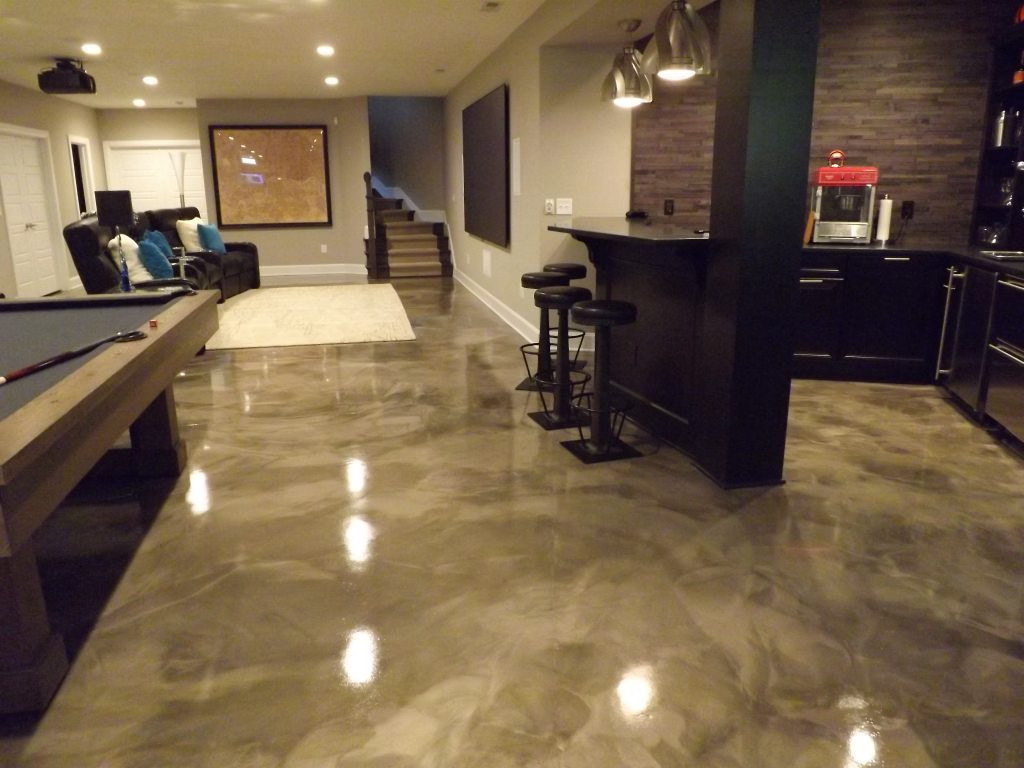
- Improved basement appearance: An epoxy finish with a smooth, glossy look will make any basement feel like new. Instead of looking like a storage space, it feels like a finished room worth spending time in.
- Greater flexibility for basement use: The hard and tough floor allows your basement to be used for nearly anything. Establish a home gym, workshop, or playroom where the floor can be used on a daily basis.
- Long-term surface protection: A proper epoxy coating provides some protection against further wear and surface dusting of the concrete. The finished floor, with proper preparation and care, will be easy to maintain and will retain good appearance for years.
5 Common Basement Floor Problems That Basement Epoxy Flooring Addresses
Basement floors sometimes create problems that are frustrating over the years, particularly if the concrete is exposed to moisture and spills, traffic, and general use. Epoxy is useful in creating a sealed surface, making it easier to protect and maintain, particularly when confronted with problems such as:
- Concrete dusting: Epoxy seals the surface of the concrete, minimising the fine “chalky” dust that can be emitted from the bare slabs over time.
- Surface staining: A sealed surface will not absorb paint, oil and other common stains, making them easier to clean and maintain.
- Everyday wear: Concrete can become worn from daily use by foot traffic, furniture and storage bins. When installed correctly, a coating will provide a more durable surface to use on a daily basis.
- Minor surface imperfections: Small cracks, pits, and rough areas can be fixed and smoothed out prior to applying the epoxy, resulting in a smoother and more level floor.
- Difficulty maintaining bare concrete: Bare concrete can be hard to maintain and may need regular cleaning and periodic upkeep due to wear. The floor is easier to maintain over time with epoxy, as routine maintenance is easier.
Does Basement Epoxy Flooring Help With Moisture?
Yes, Epoxy can be helpful in preventing moisture from seeping into a basement floor, but it does not waterproof. The concrete is porous, which means that moisture from the soil may be able to pass through the slab over time. Before coating, the floor should be checked to make sure moisture levels are suitable for epoxy.
The important distinction is where the water is coming from. Epoxy can seal the concrete surface, but it cannot stop water entering through foundation walls, cracks, or other structural areas. If you see “efflorescence” those white, chalky marks left behind by moving moisture or notice flooding and standing water, deal with the underlying water problem first.
Basement Epoxy Flooring vs Bare Concrete | What’s Better for Ontario Homes
If you’re deciding between epoxy and bare concrete, the difference really comes down to how you want your basement floor to look, feel, and hold up over time. Bare concrete can do the job, but epoxy adds a sealed surface that makes everyday use easier. Here’s how the two compare;
| Factor | Epoxy Flooring | Bare Concrete |
| Surface protection | Seals against moisture and daily wear | Fully exposed to spills and dampness |
| Stain resistance | Wipes clean, resists absorption | Soaks in paint, oil and rust marks |
| Cleaning | Sweep or mop in minutes | Dust and grime work into the pores |
| Appearance | Glossy, finished, customizable look | Grey, dull, and visibly worn |
| Concrete dust | Sealed surface stops chalky residue | Sheds dust constantly as it ages |
| Everyday wear | Handles furniture and foot traffic well | Shows scuffs, cracks, and wear faster |
Is Basement Epoxy Flooring Worth the Investment?
For most Ontario homeowners using the basement for more than storage, yes, epoxy can be worth the cost. But “worth it” depends on your space, so start by thinking about how you use the room and what the floor needs to handle.
A busy basement gym, office, or playroom puts more pressure on the floor than a space holding boxes. Then look at the concrete itself; cracks, stains, and dusting may need attention first, which can change your total cost and overall results too.
Finally, think about cleaning, looks, and daily use over time. Epoxy can make maintenance easier as it prevents any spills, dust, and dirt from getting in, and a finished epoxy coating can make the basement feel more welcoming. Delaying this decision can also lead to more costly repairs in the future.
Consult Bite Epoxy for Basement Epoxy Flooring Service in Ontario Today!
Your basement floor deals with a lot of moisture, changing temperatures, spills, and daily foot traffic, all at once. The right epoxy coating protects the concrete underneath while giving you a clean, finished surface that’s easy to maintain, so you enjoy the space instead of worrying about it.
That’s exactly where Bite Epoxy comes in. We work with homeowners, and every project starts with checking the concrete and moisture conditions first. So if your floor looks worn, dusty, or stained, don’t keep putting it off, because a better floor makes the whole space feel cleaner and more comfortable. Reach out to Bite Epoxy today and take the first step toward finally enjoying your basement again.
Frequently Asked Questions (FAQs)
Q1. How long does basement epoxy flooring take to install?
Most residential basement projects take 1 to 3 days, depending on the size of the space and the amount of surface repair needed.
Q2. Can epoxy flooring be applied over a basement floor with cracks?
Yes, small cracks get filled and levelled during surface prep; larger structural cracks need repair first so the coating doesn’t fail early.
Q3. Does basement epoxy flooring need a moisture test before installation?
Yes, slab moisture testing is a normal procedure, as applying a coating over an active moisture problem can result in bubbling or peeling later.
Q4. Is epoxy flooring slippery in a basement?
Standard epoxy can be slick when wet, but adding a textured additive to the topcoat gives the surface reliable traction underfoot.